

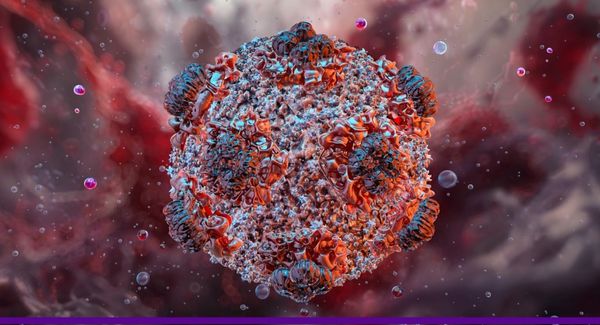
When we think about serious viral infections, rodents aren’t usually the first thing that comes to mind. However, hantavirus, a rare but potentially deadly disease spread by rodents, is a health risk worth understanding.
Though uncommon, hantavirus infections can lead to severe illness, and in some cases, death. The key to staying safe lies in awareness, prevention, and early detection.
What Is Hantavirus?
Hantavirus refers to a group of viruses carried by rodents that can infect humans. These viruses belong to the Hantaviridae family and are found across the world.
Depending on the region, hantavirus infections can cause two major conditions:
- Hantavirus Cardiopulmonary Syndrome (HCPS) – affects the lungs and heart, mainly in the Americas
- Haemorrhagic Fever with Renal Syndrome (HFRS) – affects the kidneys and blood vessels, common in Europe and Asia
While rodents carry the virus without getting sick, humans can develop severe illness after exposure.
Why Hantavirus Is So Dangerous
One of the most concerning aspects of hantavirus is its high fatality rate, especially in the Americas.
- HCPS can have a fatality rate of up to 50%
- HFRS generally has a lower mortality rate (under 15%)
Even though global infections are relatively low (10,000–100,000 annually), the severity of the disease makes it a serious public health concern.
Hantavirus Transmission: How Does It Spread?
Humans typically get infected through contact with infected rodents or their waste.
Common transmission routes:
- Breathing in contaminated dust (from dried urine or droppings)
- Direct contact with rodent urine, saliva, or faeces
- Rodent bites (less common)
High-risk activities:
- Cleaning enclosed or dusty spaces
- Farming and forestry work
- Living in rodent-infested areas
- Staying in poorly ventilated buildings
Can Hantavirus Spread Between People?
Human-to-human transmission is extremely rare. It has only been recorded with the Andes virus in South America and requires prolonged close contact.
Hantavirus Symptoms: Early and Severe Signs
Symptoms can take 1 to 8 weeks to appear after exposure, making early detection tricky.
Early Symptoms:
- Fever
- Headache
- Muscle aches
- Fatigue
- Nausea, vomiting, or abdominal pain
These symptoms often resemble flu, COVID-19, or other viral infections.
Severe Symptoms:
In HCPS:
- Shortness of breath
- Fluid buildup in the lungs
- Persistent cough
- Rapid progression to respiratory failure
In HFRS:
- Low blood pressure
- Bleeding disorders
- Kidney failure
If untreated, severe cases can become life-threatening very quickly.
Diagnosis and Treatment of Hantavirus
Diagnosing hantavirus can be challenging due to its nonspecific early symptoms. Doctors rely on:
- Patient history (especially rodent exposure)
- Blood tests detecting antibodies
- Molecular testing, like RT-PCR
Is There a Cure?
Currently, there is no specific antiviral treatment or vaccine for hantavirus.
Treatment focuses on supportive care:
- Oxygen therapy
- Fluid management
- Intensive care for severe cases
Early medical attention significantly improves survival, especially for hantavirus cardiopulmonary syndrome (HCPS).
Hantavirus Prevention: How to Stay Safe
The best way to avoid hantavirus is by reducing contact with rodents and their environment.
Practical prevention tips:
- Rodent Control
- Seal holes and entry points in your home
- Store food securely
- Keep surroundings clean and clutter-free
- Safe Cleaning Practices
- Never sweep or vacuum rodent droppings dry
- Spray disinfectant before cleaning
- Wear gloves when handling contaminated materials
- Personal Hygiene
- Wash your hands thoroughly
- Avoid touching your face after exposure to dust or debris
Hantavirus in Healthcare Settings
The risk of transmission in hospitals is very low when proper precautions are followed.
Healthcare providers use:
- Standard hygiene practices
- Protective equipment
- Isolation protocols when needed
Even with rare human-to-human strains like the Andes virus, infection control measures are highly effective.
Global Health Efforts and Response
Organisations like the World Health Organisation (WHO) are actively working to:
- Improve disease surveillance
- Strengthen laboratory testing capacity
- Enhance public awareness
- Support outbreak response
A key approach is the One Health strategy, which connects human health, animal health, and environmental factors to better control diseases like hantavirus.
Final Thoughts
While hantavirus is rare, its severity makes it a disease you shouldn’t overlook. Understanding hantavirus symptoms, transmission, and prevention can help you significantly reduce your risk.
Simple habits, like keeping your space clean and avoiding rodent exposure, can go a long way in protecting your health.
Also Read: Mpox (monkeypox): What You Need to Know
References
- Li, et al. 2024. Seroprevalence of hantavirus infection in non-epidemic settings over four decades: a systematic review and meta-analysis. BMC Public Health.
- Tian, H., Stenseth, N.C., 2019. The ecological dynamics of hantavirus diseases. PLoS Neglected Tropical Diseases.


