


Meet Mayorfit: The Fitness Coach Who Meets You Where You Are
When it comes to fitness advice, one-size-fits-all approaches rarely work. That’s why we were thrilled to host Mayorfit, a practical and empathetic fitness expert, for a recent webinar on body-type-based fitness. His approach strips away the Instagram fitness mythology and focuses on what actually works for real people with real lives.
Whether you’re sitting at a desk all day, navigating life after 50, managing joint pain, or simply trying to build a sustainable routine, Mayorfit’s philosophy is refreshingly clear: exercise isn’t about punishment, it’s about working with your body, not against it.
We captured some of the most insightful questions from the webinar. If you haven’t watched the full session yet, we encourage you to check it out here. In the meantime, here are the answers that resonated most with our audience.
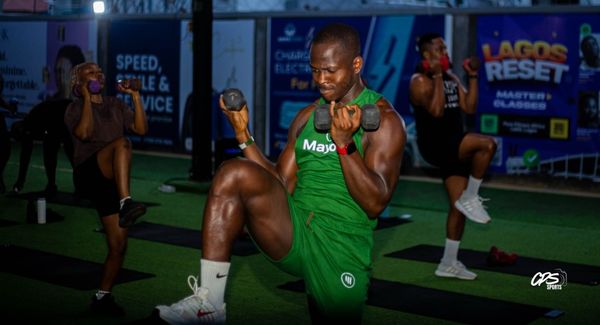
Q: What exercise will you advise us to do every day before coming to work, given that we spend the whole day sitting in just one place?
Mayorfit: It’s a simple 10–15 minute movement routine that wakes your body up. The real problem isn’t just that you sit all day—it’s that your body goes from sleep → sitting → sitting → sitting, with no preparation at all.
I call it a “Daily Body Wake-Up,” and it has three parts:
- Start with Light Mobility (3–5 minutes)
- Neck rolls
- Shoulder circles
- Hip rotations
- Gentle stretches
This tells your body: “We’re awake now.”
- Do Basic Full-Body Movements (5–7 minutes)
- Squats
- Push-ups (even if it’s against the wall)
- Lunges
- Plank (20–30 seconds)
You’re activating your legs, core, and upper body.
- Finish with Movement (3–5 minutes)
- Brisk walking
- Marching in place
- Light skipping
Just get your heart rate up a bit. That’s it. Nothing fancy, nothing exhausting. Just a signal to your body that the day has started.
Q: What do I need to do to stay consistent with exercising?
Mayorfit: Consistency is where most people fall apart. Here’s how to build it:
- Start Small, Don’t Overdo It
Most people fail because they start like this: “From Monday, I’ll go to the gym every day.” Two weeks later, they disappear.
Instead, start with:
- 2 or 3 times a week
- 20–40 minutes
Something you can actually sustain. This isn’t about motivation—it’s about making it real.
- Fix Your Days and Time: “I train Monday, Wednesday, Friday — 7 am.” Now it’s no longer a decision; it’s an appointment. Your brain respects appointments.
- Make It Fit Your Life, Not Instagram: Your routine should match your work schedule, your energy levels, and your responsibilities. Not what influencers are doing online. Because if it doesn’t fit your life, you won’t keep it.
- Drop the “All or Nothing” Mindset: This is very important. You miss one workout and think, “I’ve messed up. I’ll start again on Monday.” Then you stop completely. No. Miss one day, continue the next day. That’s how consistency is built.
- Respect Recovery: If you’re always tired, stressed, and not sleeping well, you won’t feel like working out, so sleep better, don’t overtrain and give your body time to recover.
Recovery isn’t laziness, it’s part of the training.
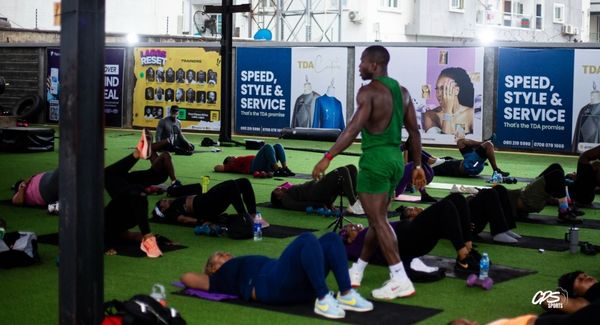
Q: What is the best exercise for women over 50, considering that metabolism slows down at this age?
Mayorfit: There’s no single “best” exercise, but there is a best priority. And for women over 50, that priority is very clear. I won’t start by talking about fat loss. I’ll start with something more important: strength training.
As we get older, especially after 50:
- Muscle mass naturally reduces
- Metabolism slows down
- Bone density decreases
If you don’t train your muscles, your body becomes weaker, slower, and more prone to injury.
What kind of exercises? (Keep it simple.)
Not anything complicated. Basic movements:
- Squats (even chair squats)
- Light dumbbell exercises
- Resistance band training
- Wall push-ups
- Step-ups
These help with strength, balance, and daily movement—sitting, standing, walking.
Add Cardiovascular Movement
- Walking
- Cycling
- Light aerobic sessions
This supports heart health, fat metabolism, and energy levels.
Don’t Ignore Flexibility
This is very important but often ignored:
- Stretching
- Balance exercises
- Mobility work
This reduces the risk of falls and injuries.
About Intensity?
Moderate and controlled. Not too aggressive, not too light. The goal isn’t to punish the body—the goal is to support it.
Q: I am constantly having joint pain and back pain. What exercise is best for me?
Mayorfit: Pain is a signal, not something to ignore or panic about. But it means we don’t just jump into random exercises.
Step 1: Rule Out Serious Issues
If the pain is:
- Very sharp
- Persistent
- Or getting worse
Please speak to a doctor or physiotherapist first. Not all pain is the same.
Step 2: Focus on the Right Kind of Movement
If it’s general joint pain or back discomfort from sitting and lifestyle, the best approach is low-impact, controlled movement.
Start with Walking
- Improves circulation
- Reduces stiffness
- Keeps joints active
- 20–30 minutes daily
Mobility & Stretching
Focus on: hips, lower back, and shoulders. This helps:
- Reduce tightness
- Improve movement
- Relieve pressure on joints
Light Strength Training
This is where many people get it wrong. They avoid strength training, but weak muscles are often the cause of joint pain. Start with:
- Resistance bands
- Bodyweight exercises
- Core strengthening
Stronger muscles = less stress on joints.
Q: Can you give us a meal guide on which meals to stick to as we exercise our body?
Mayorfit: The goal is to eat in a way your body can use. Because if your food is wrong, even the best workout will struggle to give you results.
The Simple Meal Guide (Anyone Can Follow)
- Build Every Meal the Right Way
Use this simple formula:
- Protein (eggs, fish, chicken, beans, turkey)
- Fibre (vegetables, fruits)
- Carbs (rice, yams, bread, garri—but controlled)
Rule: Don’t eat carbs alone. Instead of just rice, do rice + chicken + vegetables.
- Don’t Eat Randomly
Structure your meals:
- 2–3 solid meals a day
- Avoid constant snacking
This helps to control hunger, stabilizes energy and prevents overeating
- Hydration Is Non-Negotiable
Drink water regularly. Not just when you’re thirsty, but before your workout, during the day and after meals
Many people think they’re hungry when they’re actually dehydrated.
- Reduce (Not Eliminate) Processed Foods
You don’t have to be extreme. Just reduce sugary drinks, excess snacks and highly processed food.
- Eat Close to Your Activity
Simple guide:
- Before workout → light meal (banana, oats, small meal)
- After workout → proper meal (protein + carbs)
This helps with energy during training and recovery after training. The goal is balance, not punishment.

Q: My body itches often when I jog in the morning. What could be the cause?
Mayorfit’s: If your body itches when you jog, the first thing I’ll tell you is: you’re not the only one. It’s quite common, especially when starting. And most times, it’s not something dangerous.
What’s Actually Happening
- Increased Blood Flow (Most common cause)
When you start jogging:
- Your heart rate increases
- Blood vessels expand
- More blood flows to your skin and muscles
This can stimulate nerve endings, causing that itching feeling, especially if you’re just starting exercise or haven’t been active in a while.
- Skin Sensitivity/Dry Skin
- Cold morning air
- Dry skin
- Sweat interacting with your skin
All of these can trigger itching.
- Clothing Irritation
- Tight clothes
- Rough fabric
- Non-breathable material
Can cause friction and irritation while running.
- In Rare Cases — Exercise-Induced Allergy
Very rare, but important to mention: if itching comes with hives, swelling, or difficulty breathing, stop immediately and seek medical attention.
Q: What exercise is suitable for someone with high blood pressure?
Mayorfit’s: If you have high blood pressure, the good news is this: Exercise is actually one of the best things you can do for it. But—and this is important—you must do the right kind of exercise, the right way.
First Rule (Very Important)
Before anything: make sure your blood pressure is being monitored, and you’ve spoken to your doctor if it’s severe. We don’t guess about hypertension.
- Walking (Best Place to Start)
Simple. Safe. Effective.
- 20–30 minutes
- 4–5 times a week
Helps:
- Lower blood pressure
- Improve heart health
- Reduce stress
- Low-Impact Cardio
- Cycling
- Swimming
- Light aerobic workouts
Keep it steady, not extreme.
- Light to Moderate Strength Training
Very important, but controlled. Use light weights, resistance bands, and bodyweight exercises.
Helps: improve circulation, support metabolism, and strengthen the body.
Q: How do physically challenged people exercise?
Mayorfit’s Answer:
First, I would like to reframe that question a bit. Instead of saying “physically challenged,” I prefer to say ‘people with different physical abilities’. Because the truth is, everybody can exercise; it just has to be adapted.
The Core Principle
“Exercise is not about what you can’t do—it’s about maximising what you can do.”
How They Actually Exercise
- Adapted Strength Training
- Resistance bands
- Light weights
- Bodyweight movements
Focus depends on ability:
- Upper body (for wheelchair users)
- Supported lower body (where possible)
- Adapted Cardio
- Hand cycling
- Seated cardio routines
- Wheelchair movement training
Keeps: heart strong, blood flowing, and energy levels up.
- Mobility & Flexibility
- Range of motion exercises
- Assisted stretching
- Physiotherapy-based movement
Prevents: stiffness, pain, and muscle tightness.
What Makes It Work
It is personalised, based on ability and based on medical condition. Often guided by trainers and physiotherapists.
The Takeaway: Your Fitness Journey Starts Here
Mayorfit’s message is clear: fitness isn’t a destination reserved for the young, the naturally athletic, or the obsessively dedicated. It’s practice for everyone. It adapts to your life, respects your body, and meets you where you are.
Whether you’re beginning your fitness journey or refining your routine, remember that consistency beats intensity, and self-care beats self-punishment.
As you embark on or continue your wellness journey, we encourage you to explore resources that support your health from the inside out. Check out Avon’s dedicated wellness content and product offerings:
- World Health Day: Self-Care Essentials — Learn how Avon supports your complete wellness journey
- Explore Our Health & Wellness Plans — Discover product ranges designed to support your fitness and recovery goals
- Check Our Healthcare Blog — Explore more articles on nutrition, wellness, and holistic health
Your body is capable of more than you think. All it needs is the right guidance, consistent effort, and kindness.
Special thanks to Mayorfit for sharing his expertise. To watch the full webinar and get more insights on body-type-based fitness, watch here.
Reference Articles
5 super fruits that can improve your heart health


